
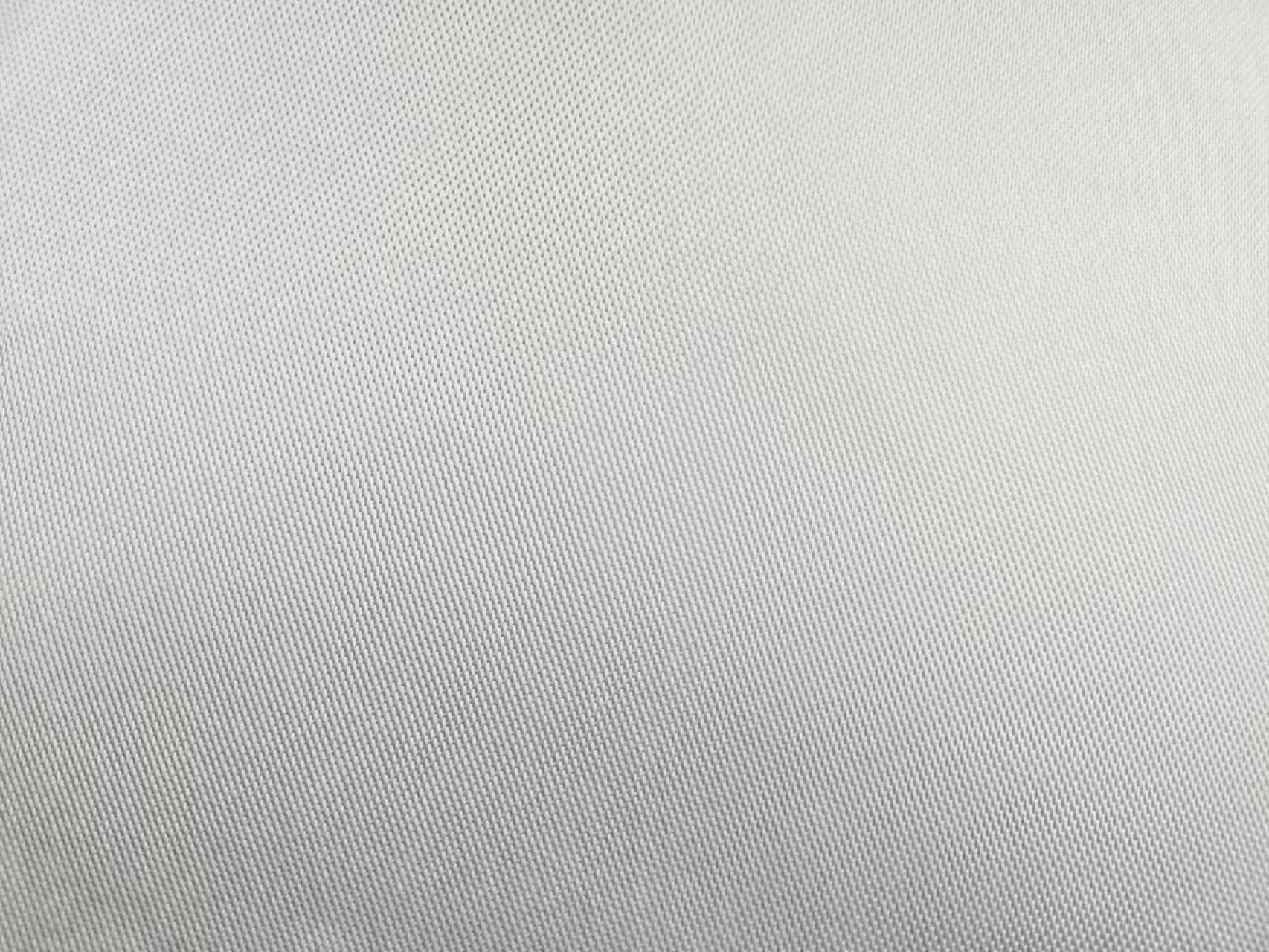
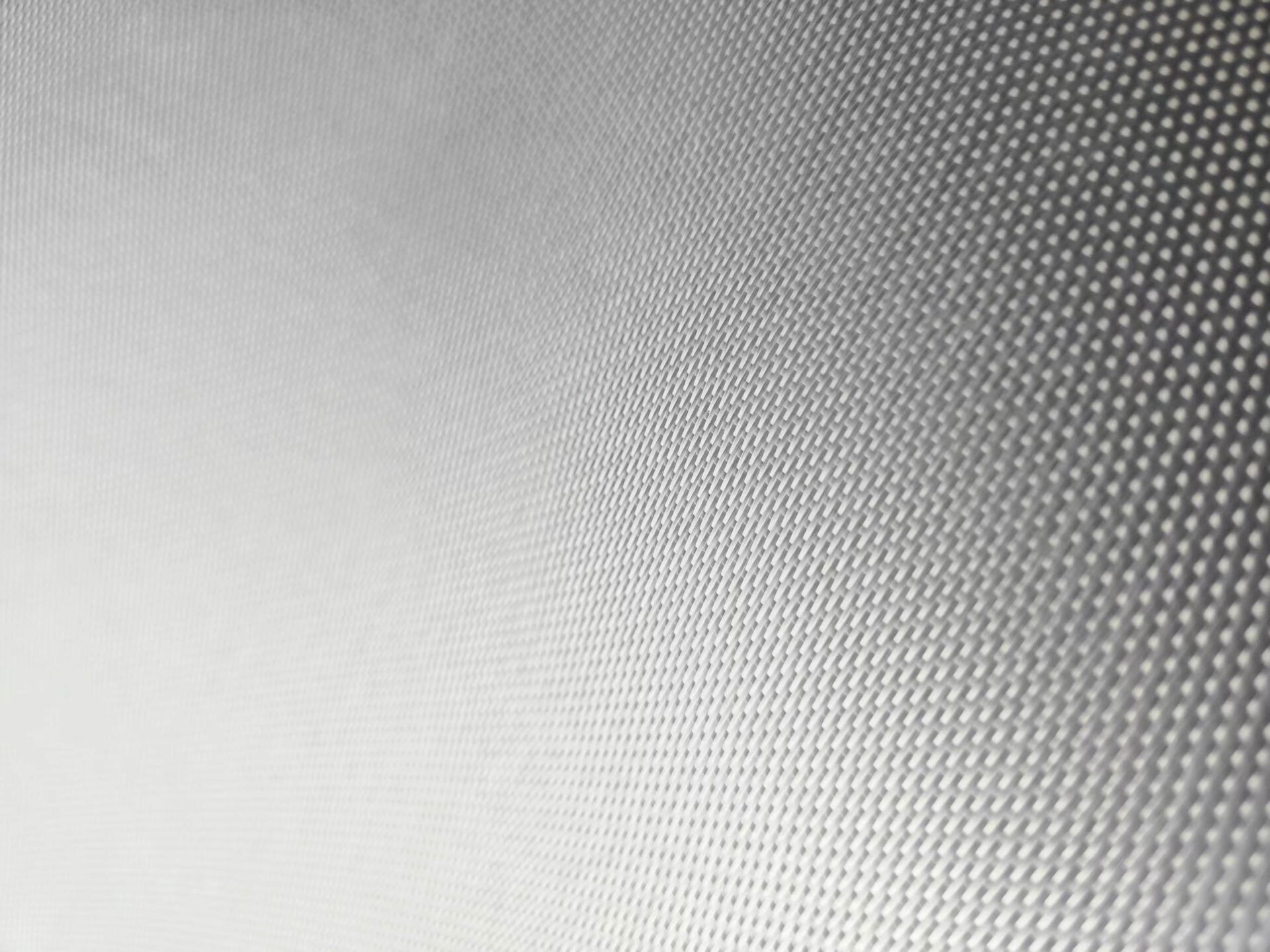
Technical Data Sheet For Quartz Fiber Fabric
| Product name | 280 GSM Quartz Fiber Fabric |
| Product Code | CATJSY280S-100HK |
| SiO2 Content(%) | 99.95% |
| Sizing | H4 |
| Weave Style | 8HS |
| Thickness(mm) | 0.282 |
| Width (cm) | 100 |
| Areal Weight (g/m2) | 287.6 |
| Fiber Count per cm Warp*Weft |
20*20 |
| Tensile Breaking Strength (Warp,N/25mm) | 2028.6 |
| Tensile Breaking Strength (Weft, N/25mm) | 2097.5 |
| Packaging | 1*100m per roll |
Quartz fiber is created by heating quartz rods in an oxyhydrogen flame, which softens the quartz. Filaments are then drawn from these rods to form quartz fibers. For optical fiber applications, elements like germanium and phosphorus can be added to increase the refractive index. Quartz fiber has a high tensile strength, reaching up to 800 kilopounds per square inch (5,500 MPa). It is chemically stable, especially in the presence of halogens, and has higher thermal resistance compared to materials like S-glass or E-glass.
Dielectric Properties
| Property | Value |
| Dielectric Constant (Dk) | 3.74 |
| Dissipation Factor (Df) @ 1 MHz | 0.0001 (1×10⁻⁴) |
| Dissipation Factor (Df) @ 10 GHz | 0.0001 – 0.0002 (1–2×10⁻⁴) |
These ultra-low dielectric properties make quartz fabric the preferred reinforcement for high-frequency radome, antenna, and RF-transparent composite applications where minimal signal attenuation is critical. Comparable to Saint-Gobain Quartzel® (Dk 3.74) and JPS Astroquartz® (Df 0.0001 @ 1 MHz), our quartz fabric delivers industry-leading electrical performance with Dk and Df values that remain stable across a wide temperature range up to 700°C.
Applications
- Composite materials
- Electrical applications
- Filtration
- Physical devices