Why Choose PMI Foam Cores?
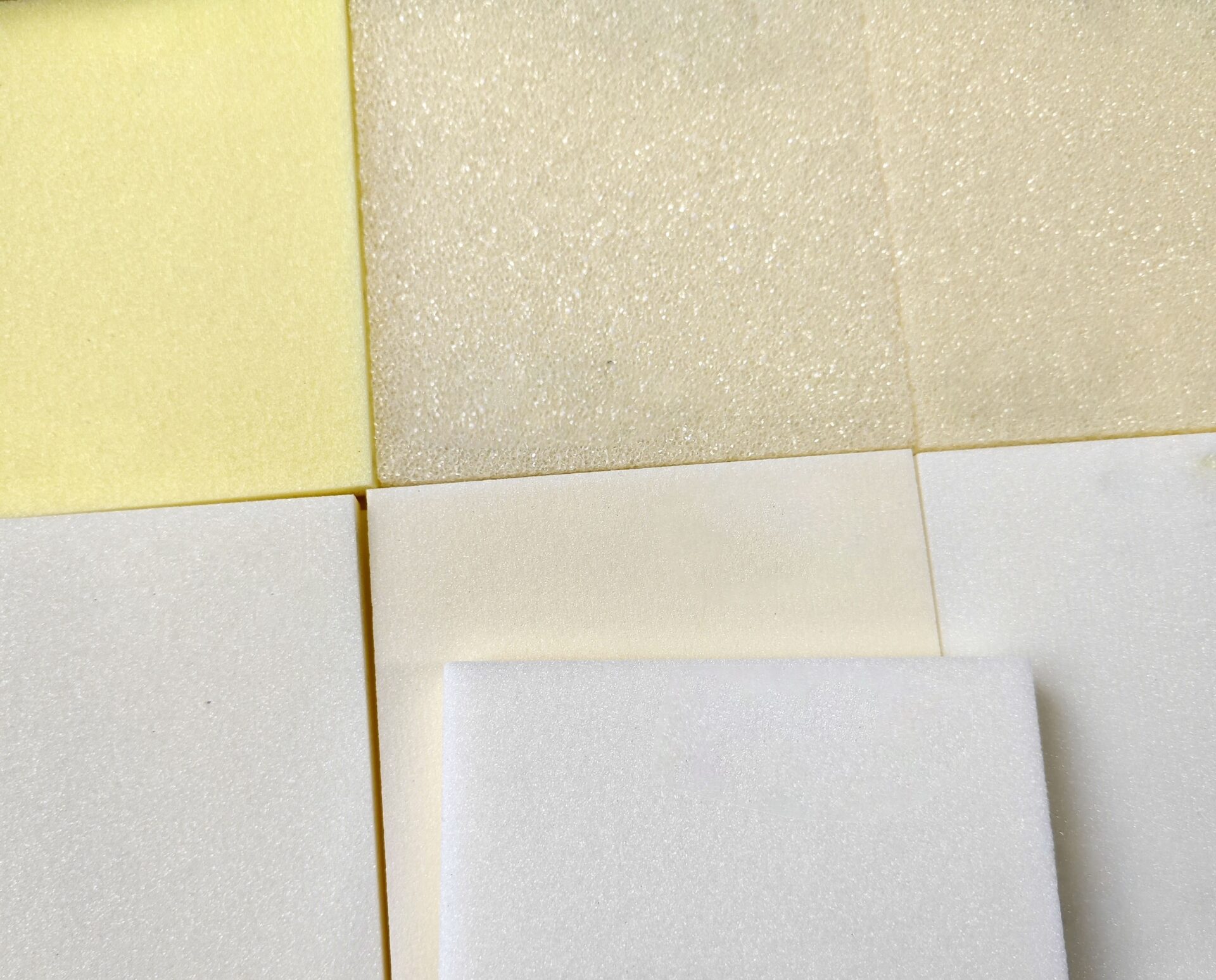
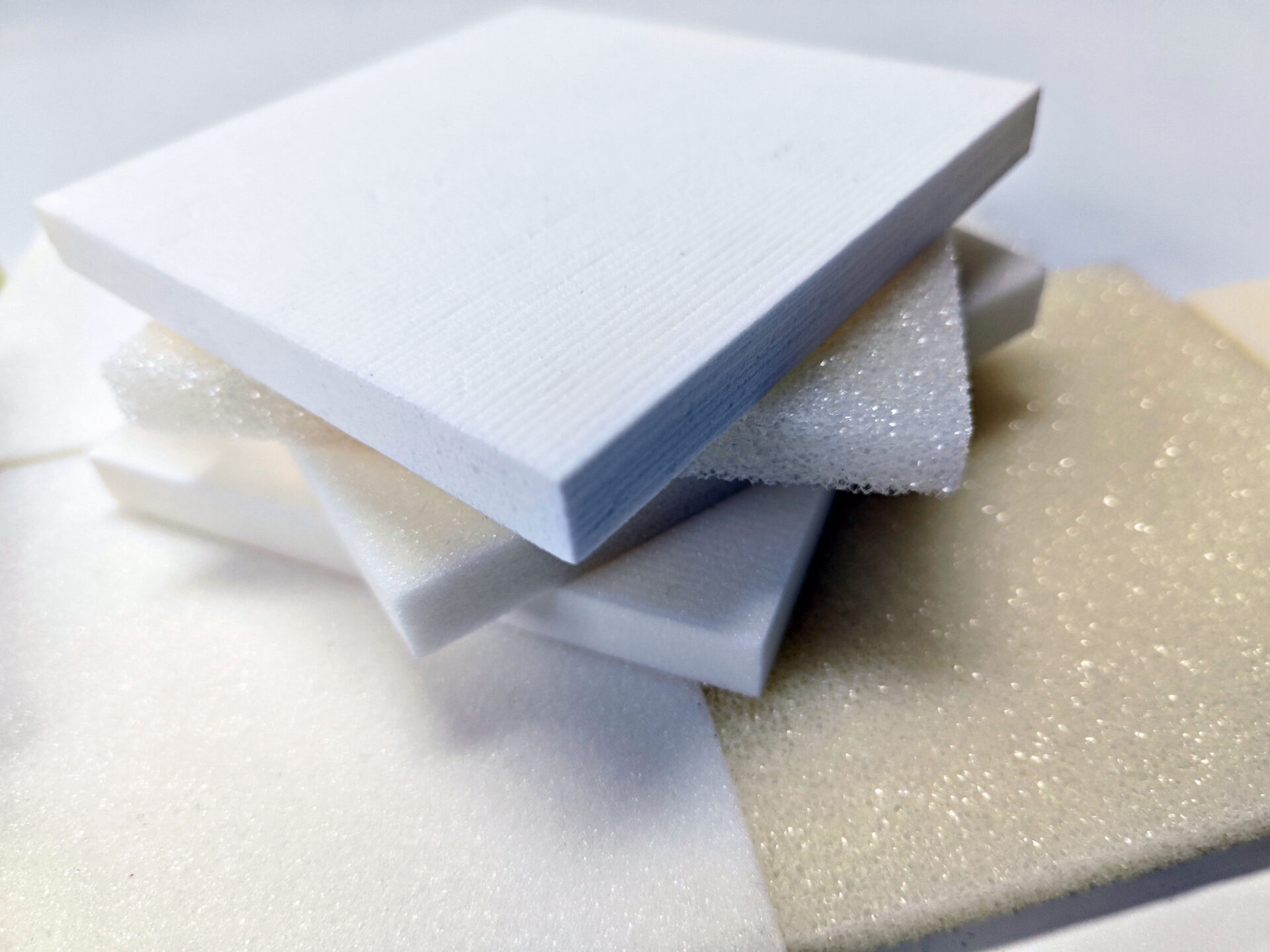
PMI (Polymethacrylimide) foam is a high-performance rigid structural foam core widely used in advanced composite sandwich construction. It offers an exceptional combination of mechanical performance, thermal resistance, and processing versatility — making it the preferred core material for demanding aerospace, defence, and industrial applications.
- Superior Mechanical Properties: PMI foam delivers high specific strength and specific modulus that significantly outperforms conventional foam core materials including PVC, PU, and PET. Its tensile, compressive, flexural, and shear properties are isotropic, providing consistent performance in all directions and enabling effective weight reduction without compromising structural integrity.
- High-Temperature Resistance: PMI foam’s unique cross-linked imide ring structure provides excellent thermal stability, with a heat deflection temperature exceeding 200°C. This makes it fully compatible with high-temperature moulding, autoclave co-curing, and vacuum press processes — reducing cycle times and improving overall structural performance.
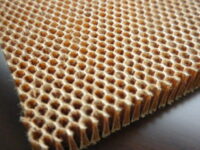
- Closed-Cell Structure (95–98% Closure Rate): The near-total closed-cell morphology eliminates moisture ingress and prevents the adhesive debonding issues commonly associated with open-cell honeycomb cores. This significantly extends service life in composite sandwich applications. The material’s high porosity and water pressure resistance also make it suitable for underwater buoyancy applications.
- Excellent Barrier Performance: The uniform, fine closed-cell structure delivers outstanding thermal insulation, acoustic damping, and moisture resistance — combining multiple barrier functions within a single core material.
- Broad Resin Compatibility: PMI foam bonds effectively with epoxy, unsaturated polyester, and most standard structural resin systems, achieving high interfacial bond strength across a wide range of processing conditions.
- Ease of Processing: PMI foam can be machined with conventional tooling and thermoformed into complex curved geometries under heat, providing considerable design freedom for structural components with demanding geometries.
- Fatigue Resistance: PMI foam’s molecular structure provides excellent resistance to fatigue, making it particularly well suited to composite sandwich structures subjected to dynamic or cyclic loading.
- Low Aluminium Equivalent & Dielectric Performance: PMI foam’s low aluminium equivalent makes it suitable for medical imaging equipment where radiolucency is required. Its low dielectric constant and low dielectric loss across a broad frequency range make it an excellent choice for radome and antenna applications.
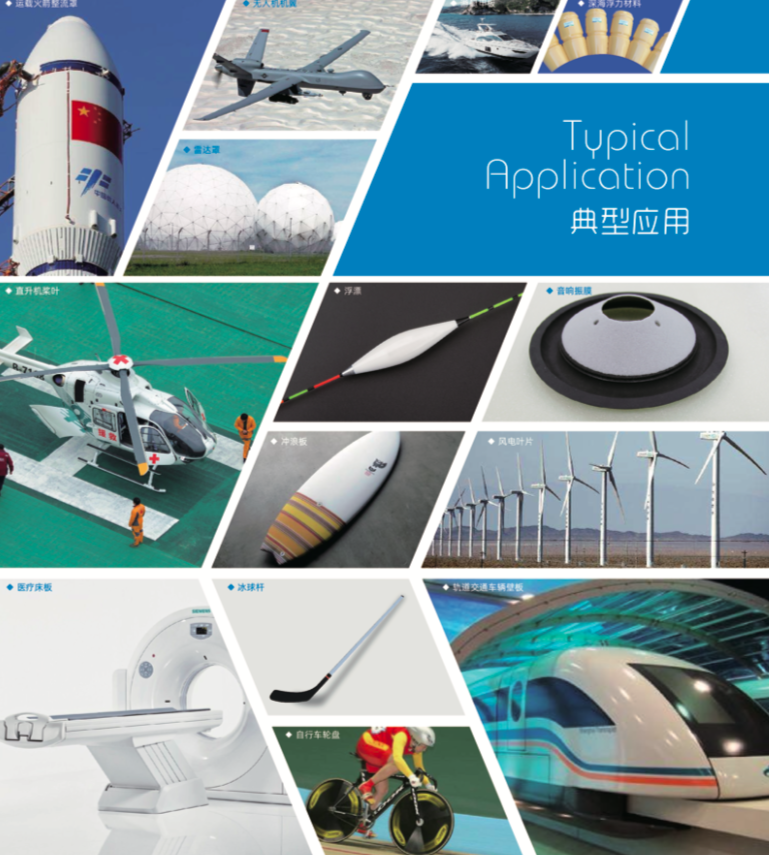
Typical Applications
PMI foam cores are specified for high-performance composite structures across a range of sectors, including helicopter rotor blades, aircraft control surfaces, pressure bulkhead stringer profiles, high-speed rail vehicles, UAVs, medical equipment, radomes, and antenna systems.
Technical Data Sheet: PMI Foam Core TDS 2023